
BEFRIENDING STRESS As a Path Home to Ourselves WEEK 3/6 CHRONIC STRESS in the Human Body? Pt.2
Mar 22, 2026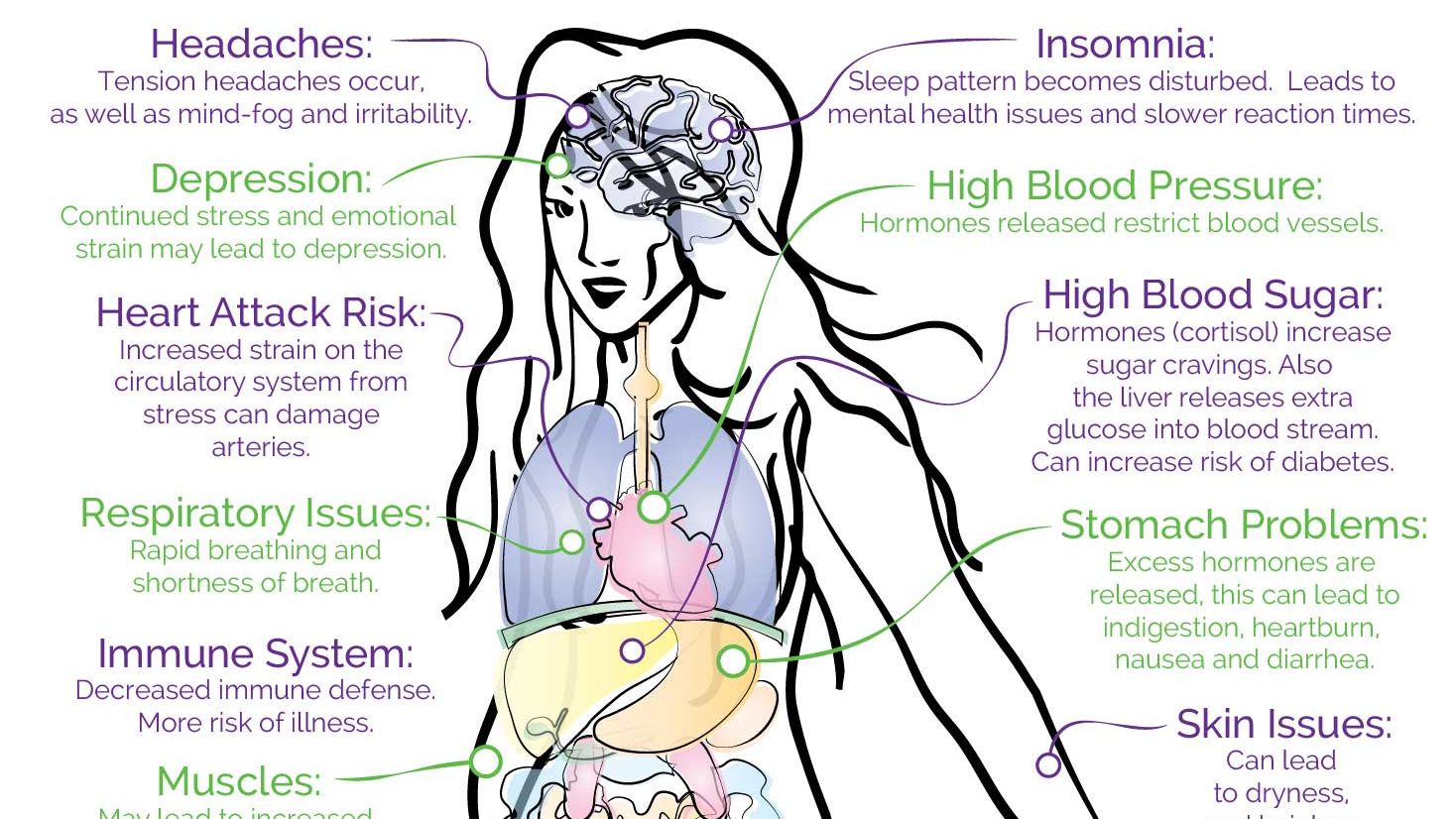
Welcome!
This is Part 2 of Week 3's exploration into What is Stress in the Human Body?
In Part 1 we were able to explore a high level overview & intent of what our balanced Sympathetic Stress response is working towards through supporting us in Energy Mobilization.
In Part 2 we will shift our curiosity to a deeper understanding of the Sympathetic Stress Response, through it's chain reaction hormone sequence, as well as what happens when our stress response becomes stuck in the "ON/GO" position, an over active, prolonged, chronic, and imbalanced state.
If you want to revisit any of the prior series blogs, find the link to the beginning of the series HERE.
Disclaimer: This information is for general awareness and should not be taken as medical advice. Please follow your own system, reach out to a qualified IFS practitioner, or consult with a healthcare professional for specific conditions, symptoms, and a personalized healing approach.
Meeting our Stress Response System.
All Stress Responses are in response to a Human motivation.
Either in efforts to meet the demand of a real or perceived;
Pleasure Seeking Goal (DESIRE to meet more Core Needs).
Dream, want, inspiration, interest, craving, core need.
or
Pain Avoidance Goal (AVERSION to lose less of our Core Needs).
Obstacle, adversity, challenge, constraint, limited resource, energy draw, discomfort, stressor, pain, loss, or unmet need.
In such instances, we activate our Sympathetic Stress Response.
Sometimes these motivations can become so strong, either by circumstance, or through our systems best attempts to cope with the stressor, they keep our sympathetic nervous system stuck in the "ON" position, and eventually pull us into dysregulation and imbalance.
Let's take a detailed look at what happens physiologically within the Human MINDBODY Nervous & Organ System during the balanced and regulated Sympathetic Stress response, and also what happens as a result of chronic time spent in the Sympathetic Stress Response state.
First let's explore together what a balanced stress response looks like:
In this post we will explore together in slightly more detail, what chemical, hormonal, and bodily chain of events occur during our Activation and Sympathetic Stress Response, as well as what occurs in the instances it get's stuck in the Chronic, On position.
Although complex, our stress response is a highly predictable sequence of coordinated, and synchronized BRAIN/BODY biological, chemical, hormonal, and physiological shifts within our organ systems to support in energy production, delivery, utilization, and replenishment.
DETAILED SEQUENCE OF STRESS HORMONES via the HPA AXIS (NueroAnatomy of our Stress Response):
PHASE 1 | BALANCED ACUTE STRESS RESPONSE (Temporary & Adaptive)
Upon becoming aware of a potential threat, the peripheral nervous system sends a signal towards the Brainstem, RAS, Thalamus, Amygdala, Hippocampus, Sensory and Prefrontal cortex for processing to determine the incoming data's level of danger and risk.
If either the highjacked amygdala, or through deeper analysis the prefrontal cortex deems the situation to have even the slightest potential risk to the homeostasis or core needs of the individual organism, the brain/body activates the Sympathetic Stress Response.
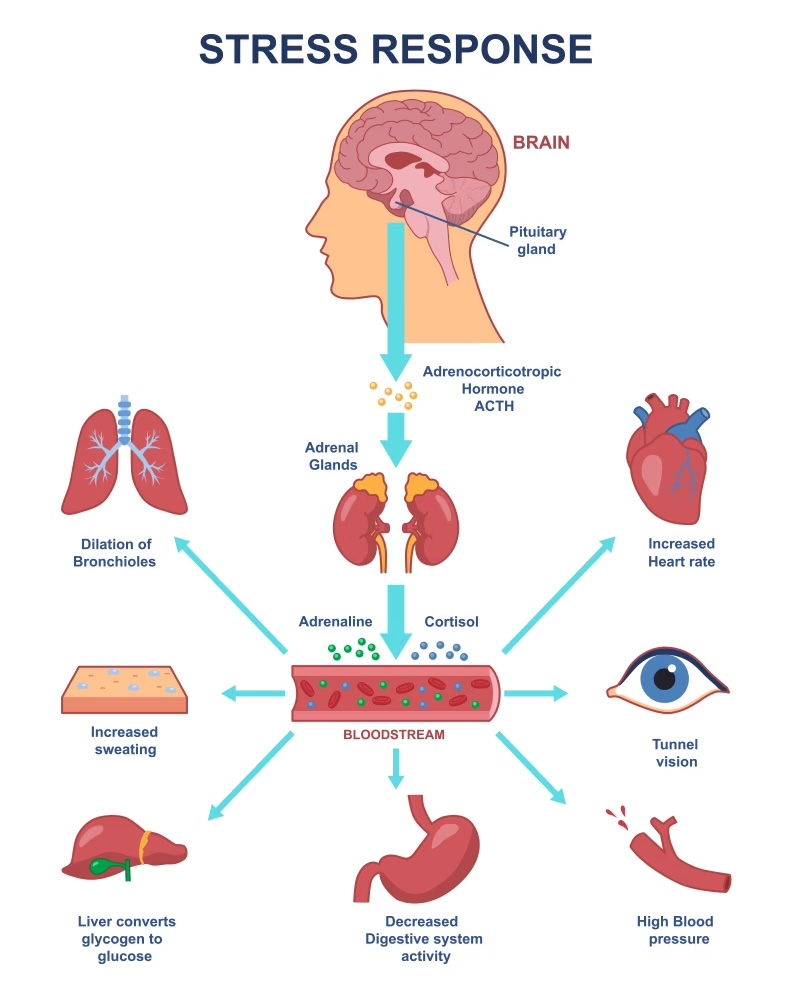
A series of chemical and hormonal signals are sent through what is referred to as the HPA AXIS (hypothalamus, pituitary gland, and adrenal glands axis/complex), a sequenced chain of hormone secreting glands that instantaneously trigger a release of stress hormones (Initially Catecholomines - Adreneline and Nor Adreneline for short term activation), and later if the threat persists (steroid hormones called glucocorticoids, mainly cortisol for sustained, and long term activation). These hormones act on almost all major bodily organ systems to regulate vital functions into ENERGY PRODUCTION and ACTION MODE.
Detailed Sequence of Processing Incoming Stimuli:
Outter External stimuli/ Event
Raw physical waves of sensori stimuli are perceived from our senses (ears, eyes, taste, touch, smell) through peripheral nervous system and channeled through the central nervous system to the brain stem for processing.
Reticular Activation System (RAS)
With the overwhelming amount of stimulus barraging our nervous system in modern day life, it would be near impossible to interpret all of it at once. As such, our biology has built an inborn filter to SELECT ONLY THE MOST RELEVANT information to let in to our "Conscious Awareness and attention". The rest is either processed unconsciously, or discarded as irrelevant.
Meet one of the most powerful structures in our human body. The Reticular Activation System (RAS) is a network of neurons primarily located in the brainstem which helps manage overall consciousness. It's primary function: controls arousal, alertness, and the sleep-wake cycle.
It filters sensory stimuli, suppressing unimportant ones to prevent sensory overload, and allows the brain to focus on what is relevant.
This is relevant to our day to day experience because what we "TRAIN" our RAS as to what is important to us, our survival and core needs, the RAS will look for, and look through as a paradigm we see the world. A large contributor to the power, and effectiveness of manifestation techniques is the RAS. The more we focus on something, the more we are training our Reticular Activation System this experience is important to me, go out and look for it, and let it in.
Once the incoming stimuli is deemed relevant and important to the individual or organism it is let through to the Thalamus which acts as a control board distributing stimuli information to appropriate areas of the higher thinking Neocortex and surrounding regions of the brain.
Thalamus
The main function of the thalamus is to act as the brain's primary sensory relay station and switchboard, processing, and relaying sensory input and motor signals to the cerebral cortex for further interpreting and processing.
For the context of this article and Blog Series we are going to focus on what happens when the Thalamus/Brain system detect something that feels necessary to REACT, ACT ON, or ENGAGE with.
The call for the Sympathetic Stress Response.
In a balanced and regulated social engagement state (Ventral Vagal State).
Sensory stimuli would process through the Thalamus, bypassing any major danger triggers from the Amygdala (Threat Detection System). The signal would travel unbothered through to the sensory NEOCORTEX, where our late developed grey matter could disseminate and provide a balanced response and instructions forward.
HPA Axis (Sympathetic Stress Response Hormone Chain)
Analyzed information is communicated through to the HPA Axis on how best to respond (how much energy/activation is needed to meet the situation.)
Our HPA Axis, includes our Hypothalamus, Pituitary gland, and Adrenal Glands which act as an adrenal axis/complex or chain of Stress hormone secreting glands that work as a nueroendocrine system to signal and release appropriate levels of Stress hormone, to control vital bodily functions for the situation.
There is a broad and mutual relationship between stress and the endocrine system. In fact, it has been suggested that it is impossible to separate the response to stress, from the functions of the endocrine system. Stress can either activate, or change the activity of, many endocrine processes associated with the hypothalamus, pituitary and adrenal glands, the adrenergic system, gonads, thyroid, and the pancreas.
Even a minimal amount of stress can activate the hypothalamic-pituitary-adrenal axis, which itself is intricately involved with the activation of several different hormone secreting systems, and bodily changes.
Hypothalamus (Hormone Regulator for base level Autonomic nervous system regulation)
Your hypothalamus is the part of your brain that’s in charge of some of your body’s basic operations.
The Hypothalamus is a key component of the MINDBODY Lymbic system. It acts through regulating the state of our Autonomic Nervous System (Homeostasis, Allostasis, and All Metabolic Processes involved with Energy Management) through hormone management, and our Endocrine System.
Releasing base level instructions to key unconscious autonomic nervous system activity and processes through signalling and activating the HPA Axis.
It helps us maintain internal balance/homeostasis/allostasis, through controlling the pituitary gland, influencing hormone release (e.g., stress response, metabolism, reproductive hormones),
regulating vital autonomic, involuntary body functions like breathing/metabolism, heart rate and blood pressure.
Endocrine System Stress Related Neurotransmitters & Hormones
Neurotransmitters (Brain) and Hormones (Body), both are chemical messengers using a lot of the same hormones. The only difference is where the communication is taking place.
Neurotransmitters communicate via neurons in the brain. Hormones are distributed via the endocrine system/bloodstream to communicate with the rest of the body/glands/organs.
Hormones are chemicals that coordinate different functions in your body by carrying messages through your blood to various organs, skin, muscles, and other tissues. These signals tell your body what to do and when to do it.
Most hormonal systems work by negative feedback loop.
The brain senses levels of hormones by taking samples of a bloodstream crossing through the brain.
Interestingly, the set point can shift based on the perception of stressful environment. The brain believes itself to be in balance, may vary by different scenarios.
Your hypothalamus is connected to your pituitary gland through a stalk of blood vessels and nerves called the pituitary stalk. Through this stalk, your hypothalamus communicates with the anterior pituitary lobe via hormones and the posterior lobe through nerve impulses.
Pituitary Gland
The Pituitary gland is a core gland, apart of your endocrine system that operates to produce and release specific hormones into the bloodstream to influence the activity of our organ systems and regulate homeostasis.
Your pituitary gland monitors your body functions in much the same way as the hypothalamus. (Your pituitary sends signals to your organs and glands — via its hormones — to tell them what functions are needed and when. The right settings for your body depend on several factors, including your age and sex.
The main function of your pituitary gland is to produce and release several hormones that help carry out important bodily functions, especially your thyroid, reproductive system organs, including the ovaries and testes, and adrenal glands.
Your Hypothalamus, and Pituitary Gland work together to make the following signalling hormones to communicate with and stimulate your endocrine system to further release hormones throughout your body:
Corticotrophin-releasing hormone (CRH) is a key hypothalamic peptide (Short chain amino acid), that initiates the body's Stress Response, by stimulating the pituitary gland to release adrenocorticotropic hormone (ACTH).
Adrenocorticotropic Hormone (ACTH or Corticotrophin) is released from the pituitary gland and stimulates your adrenal glands to produce, release, and circulate, the bodies main stress response hormones. Catecholomines, Adrenaline (Immediate) is released first in the stress response, initially the "fight or flight" reaction, while glucocorticoid, cortisol (Delayed & Sustained) is released shortly after (3-5min), peaking at around 15-30 minutes later to maintain high alert. Adrenaline triggers rapid heart rate and breathing, whereas cortisol provides sustained energy and suppresses non-essential functions.
Gonadotrophin-releasing hormone (GnRH) is a master regulator hormone produced by the hypothalamus that travels to the anterior pituitary to trigger release of follicle-stimulating hormone (FSH) and luteinizing hormone (LH). These gonadotrophins drive reproductive processes, regulating sperm production in men and the menstrual cycle/ovulation in women.
Follicle Stimulating Hormone (FSH) - Gonadotrophic hormone from the Hypothalamus, signals release of FSH stimulates sperm production if you are male. If you’re female, FSH stimulates the ovaries to produce estrogen and plays a role in egg development.
Luteinizing Hormone (LH) stimulates ovulation if you have ovaries and testosterone production if you have testicles. LH is also known as a gonadotrophic hormone because of the role it plays in controlling the function of the ovaries and testes, known as the gonads.
Growth hormone-releasing hormone (GHRH) s a peptide hormone produced by the hypothalamus that stimulates the anterior pituitary gland to synthesize and release growth hormone (GH). Essential for growth, metabolism, and body structure.
Somatostatin (GHIH) is a critical growth hormone inhibitory peptide that maintains bodily homeostasis by stopping the overproduction of various other hormones and regulating digestion. It acts as a "master switch" to turn off the release of growth hormone (GH), thyroid-stimulating hormone (TSH), insulin, glucagon, and gastrointestinal hormones
Thyrotropin-releasing hormone (TRH) signals to the pituitary gland to make Thyroid-Stimulating Hormone (TSH), which in turn signals to the thyroids to produce Thyroid Hormone (Thyroxine), produced from the thyroid gland which sets the long-term, slow and sustained basal metabolic rate (BMR), controlling cellular, and tissue energy usage (regulating oxygen, carbohydrate, fat, and protein use), during times of rest. In contrast adrenaline provides a short-term "fight or flight" surge, rapidly raising energy metabolism in times of immediate action.
Antidiuretic hormone (ADH) or vasopressin, is a hormone produced in the hypothalamus and released by the posterior piruitary gland to regulate water balance and blood pressure. It acts on the kidneys to increase water reabsorption, reducing urine volume and concentrating urine to maintain hydration and blood pressure.
Dopamine A naturally occurring brain neurotransmitter, and body circulating peptide hormone, functions as the the "feel good" messenger. It signals during the "anticipation" of a Reward/Pleasure. It controls all goal directed motivation, memory, and learning behaviours. We repeat activities, when there is a release of dopamine. It influences cravings and when left unmanaged is the driver for that influences addictive behaviours.
Oxytocin A naturally occurring brain neurotransmitter, and body circulating peptide hormone, functions as the the "Bonding/Connection/Love Hormone". It is central to social interaction, reproduction, and emotional regulation in both males and females. The hormone can lower cortisol (the stress hormone) levels, promote a sense of calmness, and reduce social anxiety.
Serotonin Produced in the brainstem and intestines, it promotes feelings of well-being and calmness, with over 90% found in the gut to manage bowel motility. It also aids in blood clotting and wound healing. Along with Oxytocin, influences the Parasympathetic Nervous system to allow for rest, recovery, relax, and restoration of body, mind, and major organ systems.
Adrenal Glands
Adrenal Glands Respond to the hormone signals from the pituitary gland, by secreting/pumping more activating stress chemical hormones Catecholamines ( Adrenaline, And Noradrenaline), and later secreting Glucocorticoids (Cortisol) for sustained activation.
Catecholamines (Acute Stress Response) are produced by both the brain and adrenal glands, and act as the first immediately released and fast-acting "fight-or-flight," neurotransmitter, and hormone increasing heart rate and alertness.
Key Catecholamines:
Adrenaline (Epinephrine): Boosts heart rate, blood glucose, and oxygen intake.
Noradrenaline (Norepinephrine): Primarily acts as a vasoconstrictor, raising blood pressure.
Glucocorticoids (Slow Sustained/Chronic Stress Response) are slower, steroid hormones regulating metabolism, immunity, and stress response, with Glucocorticoids actually enhancing catecholamine effects by increasing their synthesis/storage and blocking their breakdown, creating a powerful, prolonged stress response.
Steroid Hormones are fat-soluable signaling molecules derived from cholesterol that regulate metabolism, immune function, water balance, and reproductive processes.
The 5 Major classes of hormonal structure, classified by receptor include:
Cortisol (Glucocorticoid): Regulates metabolism and the stress response. Cortisol is a main glucocorticoid, influencing many of our organ systems to maintain in prolonged energy/activation. When left in a chronic state, cortisol's effects in keeping our ANS in a state of action mode contributes to challenges with balanced metabolism and energy management, cardiovascular, respiratory, and restorative systems like digestion, muscular skeleton, immune, & reproductive systems.
Aldosterone (Mineralocorticoid): Manages blood pressure by balancing salt and water.
Testosterone (Androgen): Promotes male sexual development and muscle growth. (Anabolic Steroids similar that are used in the Olympics)
Estradiol (Estrogen): Drives female reproductive development and cycle regulation.
Progesterone (Progestogen): Essential for maintaining pregnancy and menstrual cycles.
Both Catecholamines & Glucocorticoids work together under stress, but catecholamines provide the immediate surge, while glucocorticoids sustain and amplify the body's reaction.
Both Stress Chemicals prioritize the bodies system for IMMEDIATE SURVIVAL > long term maintenance. Digestion, immunity, growth, and reproduction are suppressed.
These hormones are essential for healthy adaptation to our environment, but imbalances, whether abnormally high or low levels can signal serious slow onset medical conditions.
Impacts of Endocrine Hormones on the Body
As initial stress chemicals are released into and circulate through the body, it brings on a number of physiological changes,
Broadly speaking, the effect on each target organ is to modify its state in a way that makes it more conducive to active body movement/activation/engagement. We can recall the Intent of the Sympathetic Nervous System in these 4 Main Functions:
1. MAKE MORE ENERGY
2. DELIVER MORE ENERGY
3. USE MORE ENERGY
4. CONSERVE MORE ENERGY
Understanding the Stress Response in it's healthy and balanced state. Let's now explore the experience of an imbalanced Stress Response:
PHASE 1 | IMBALANCED/MALADAPTIVE SYMPATHETIC STRESS RESPONSE (Neurobiology of Anxiety & Chronic Stress)
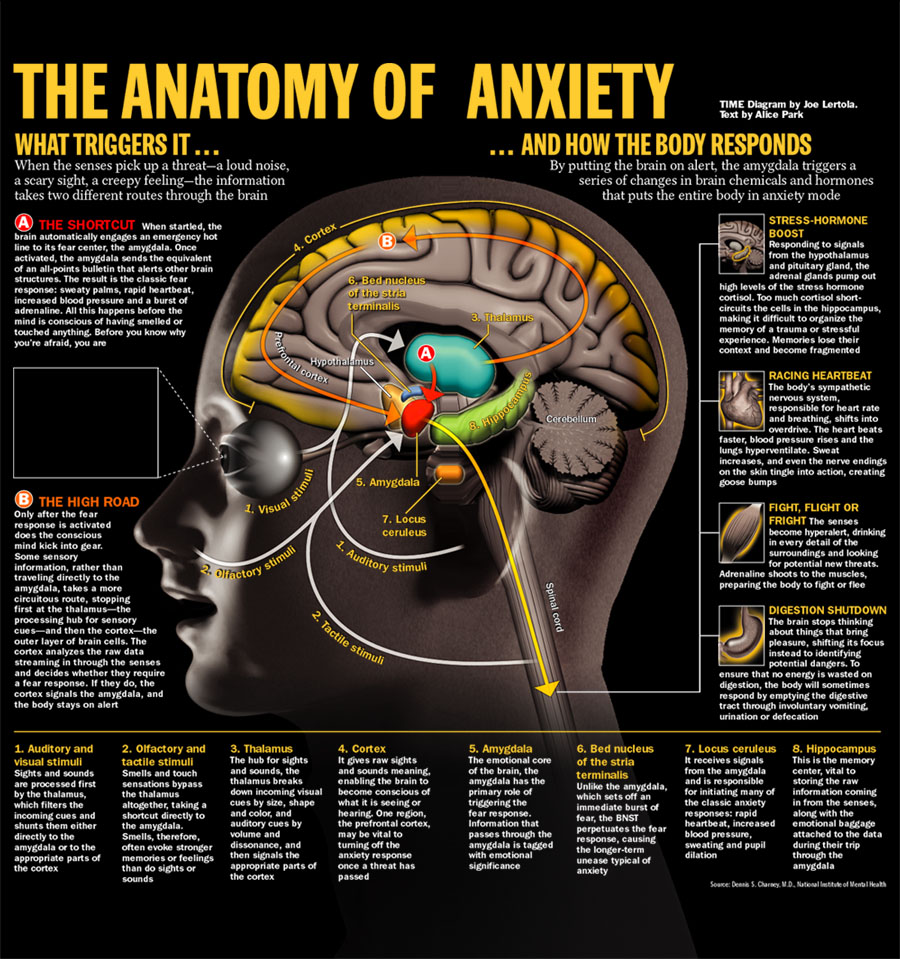
Image Curtesy of Joe Lertola.
Meeting the Amygdala (Lizard Brain) | The Emotional Highjacked method of processing Stimuli
Amygdala (Greek word “almond”)
The Amygdala/s are a key component of our lymbic system that support high arousal emotional interpretation, processing, and memory.
They act as an early warning system, detecting environmental threats and triggering survival Stress responses like fight-or-flight.
We have two amygdala, located on the left and right side of the brainstem. This primitive location deep in our lymbic brain, give it a prominent powerhouse position to scan all sensory impulses. The goal of the amygdala is simple, analyze every scenario with one question, that of the most primitive, “Is this a threat, risk, or danger to my survival or procreation?”
Roll of Amygdala in Emotional Processing
Our brain has two main memory centres, the hippocampus remembers the dry, ordinary facts, while the amygdala is what remembers the emotional salience, or flavour and energy of the event.
The purpose of our amygdala is a memory center and storehouse of emotionally important events.
In the event of a perceived relevant experience pertaining to safety, survival, or opportunity for reproduction, the amygdala/s save an emotional imprint, or impression.
Our Amygdala tags and encodes specific memories with emotional significance, with somatic markers, the feelings that help us remember important events.
This includes both the Intensity (Minimal/Avg/Extreme), and the Valence (good/bad, positive/negative, pleasurable/painful) of the event or experience.
Amygdala & the Stress Response
Joseph LeDoux is a neuroscientist recognized for pioneering research in the 1980/90s that identified the amygdala as the brain’s central fear interpretation and in turn Stress response hub.
He discovered that the amygdala is critical mechanism for processing fear-inducing stimuli and learned fear conditioning responses.
LeDoux mapped the neuro architecture of the fear response, showing that sensory information linked to past memories of pain travel directly to the amygdala, via a back alley of neuro pathways, enabling fast, subconscious fear responses.
LeDoux identified two pathways for fear: a rapid "low road" from the thalamus to the amygdala for immediate reaction, and a slower "high road" that travels through the cortex for thoughtful processing.
The Thalamus & amygdala simultaneously interpret external/outside images and sounds. Looking and listening for familiarity, consistency, regularity, and in doing so quickly picks up if it is a sound you’ve heard before.
The Amygdala, with it’s own store of emotional memories, and imprints, doesn’t always reference our present moment rational mind / prefrontal cortex / conscious cognition.
When it perceives the incoming stimuli is a potential life threatening, risk, danger, crisis, painful, unsafe situation, or concern for the loss of one of our core needs the Amygdala Hijacks the System and immediately, sounds the ALARM, sending a distress signal to the hypothalamus to start the series of stress chemical reactions.
The hypothalamus registers the distress signal from the amygdala, and leaps into action activating the sympathetic nervous system (Fear, Fight, Flight). A near-instantaneous, automatic and often unconscious sequence and cascade of hormonal changes through the HPA Axis, influencing and contributing to a large array of physiological changes that prompt and prepare our bodies for action, with involutionary, primal, and instinctive protective measures to safeguard you against any potential harm.
This shortcut branching allows the amygdala/stress response to operate much sooner, giving the system more response time compared to the neocortex (which usually processes and analyzes a more finally tailored, thoughtful, strategic, and intentional response.)
This was, and still remains fundamental for our survival nature as a species. The ability to jump out of the way of a unseen vehicle, the immediate reactivity and impulse to put your hands up in front of your face if an object is coming at you. It's subconscious, habitual fear learning at it's finest. And most of the time works meticulously to keep us safe, unharmed, and out of the way of danger.
That is the reason why before we even meet someone we can emotionally determine if we like them or not the emotional brain (unconscious opinions) has its own opinion separate of that of the logical neo cortex.
The amygdala acts like an incoming stimuli trip wire, an imperfect, but evolutionary imperative, early warning sign.
In a regulated and balanced nervous system, the trip wire is very low, and most low lying concerns, people, experiences or events can just walk right over it.
In an imbalanced, dysregulated nervous system, such as carrying traumatized memories from our past, the trip wire is raised to waste height. The amygdala and stress response system operate in an oversensitive, over heightened, over protective, always on guard state.
Don’t trust that guy, have your guard up, don’t turn your back. Protect myself first at all costs, where selfish, and competitive behaviours over dominate.
Ordinary situations trigger a past memory, remembering, or recollection that is now being imposed on the present.
Our most intense emotions/ feelings are involuntary, out of our control, we cannot decide when they will erupt.
Love, and anger seem to happen to us rather than being a choice. (Eg. I was in the grip of emotion, explaining away your actions.)
Love, passion, lust, sex on the path of reproduction override rational reason. Fear, danger in the path of survival override rational reason.
This theory does much to explain the reason why emotion can often overwhelm rationality. The emotions that take the direct route and bypass the neo cortex are most primitive and potent.
The amygdala primes an anxious and impulsive reactive behaviour, over a thoughtful, intentional response.
POTENTIAL SHORTFALLS, FLAWS, and FAULTS IN OUR PRIMITIVE AMYGDALA WIRING
Emotional Fast Thinking, In a modern relatively safe world.
Our Amygdala circuitry can become outdated as a result of past pain, or Childhood Trauma.
The amygdala (emotional memory), is much closer to being fully formed at birth over the hippocampus (contextual memory) prioritizing the emotional valence more than the context.
Because of early adverse life experiences our Amygdala's memory, and fear leaning could have downloaded a on over heightened sensitivity, that becomes inaccurate, uncalibrated, and hyper vigilant later in life.
What served as a critical survival shortcut to get us to get through childhood, is now inhibiting us from living a relaxed and balanced life in adulthood.
The amygdala signals danger, even if it’s not life-threatening (work deadlines, arguments, bills).
Our Amygdala has the potential to be INACCURATE, IMPRECISE, FAULTY, or even FALSE Alarms.
As evolutionary evolved animals, cautious of lions lurking in the tall grasses. Our lymbic brain learned to prioritize & select SPEED in sacrifice/tradeoff for ACCURACY.
It’s method of memory is associative. If one key element is similar to that of a thread of the past it will trip the alarm wire; that is why the circuit is sloppy. A match in one instance from past memories triggers modern-day mind to threats that were imprinted long ago.
In Summary;
An Imbalanced Sympathetic Stress response is one that reacts disproportionately to the present moment danger.
Why might we get pulled into imbalance, and in turn dysregulation?
Our Nervous system is doing it's best with the perception, and tools that it has learned to navigate a complex world. Sometimes life circumstances, and unexpected life demands, pull us into states of over activity that feel like they exceed our capacity to cope with them. In other instances we may be carrying stories from our past that are amplifying our current experience out of proportion and influencing our stress response in over adaptive ways.

EFFECTS OF STRESSORS, PAIN, OR PAST TRAUMA (ADVERSE CHILDHOOD EXPERIENCE)
Steven Porges through his Polyvagal Theory, explains how Neuroception (Our nervous systems ability to accurately perceive threat) can sometimes become inaccurate.
We may fail to detect danger, or we may detect danger when there is none. We may incorrectly, or inaccurately perceive the appropriate level of risk for the present moment experience.
In cases of uncertainty our MINDBODY Nervous system defaults to it's best known, or remembered experience, assumption, belief, or prediction, about the event. Sometimes older defence circuits can get triggered in relationship to the current circumstances. Carrying these past fear learnings into the present, our Threat Detection system (Amygdala Circuit and Nueropathways) become faulty, out of tune, or uncalibrated.
Our Amygdala trip wire, becomes over activated, over sensitive, hyper vigilant in arousal, resulting in an over adaptation in MINDBODY Biology, and behaviours.
A dysregulated nervous system stays on high alert and primed for action, it may react quicker, and go into a more extreme survival mode impulses before our greater awareness and self regulating brain/body can balance the situation back to a state of safety and security.
This imbalanced response often becomes unhelpful, unhealthy, self limiting, self sabotaging, and even self destructive towards us meeting our long term goals and desires.
WHAT CAN WE DO ABOUT IT?
Short Term Regulation
BREATHE. PRESENCE. ACCEPTANCE
The 2 minute PAUSE. A temporary grounding, breathing, and self regulating practice can help us calm our emotional responses, to re visit the triggering experience from a place of present moment CHOICE/CAPACITY.
Long Term Healing/ Regulation of Nervous system
LeDoux’s research, confirmed by present day approaches of therapy, is crucial in showing that fear memories, once recalled, can be modified, leading to modern understandings of memory reconsolidation, and nueroplasticity in trauma healing.
His findings transformed the study of emotions, specifically in understanding anxiety disorders and PTSD as dysfunctions in threat-processing neural circuits.
This Self exploration work is exactly what I am helping individual like you learn in the ALIGN PROGRAM | 8 L’s of Life Leadership.
A practical somatic shadow work toolkit that can help you understand root cause influences underneath your imbalanced stress responses.
Through the practice of these awareness, healing, and integrating techniques, these skills can be carried with you into your future relationships, life experiences, and creative projects and endeavours.
Now that we have an overview of the WHY we can get pulled into this imbalanced state, as a result of overwhelming circumstances, or unprocessed past pain, let's take a look at the impact Chronic Stress has on our physiology body, health, and wellbeing.
PHASE 2 | CHRONIC, PROLONGED STRESS RESPONSE
We have explored the Acute (Temporary) Sympathetic Stress Response, in both it's balanced, and Imbalanced state.
The SNS response is a sudden adaptation, in order to prepare the body to respond to an emergency situation or acute stress—short term stressors. Once the crisis is over, the body usually returns to the pre-emergency, unstressed state.
In certain circumstances, or due to prolonged exposure to stressors, the MINDBODY System can get stuck in a state of Chronic Sympathetic Stress Response dominance.
This dysregulated autonomic nervous system state, causes imbalances in our natural bodily functions and can over time contribute to wear and tear, damage, and eventually disease, on our organ systems.
What is a AUTONOMIC NERVOUS SYSTEM STUCK IN CHRONIC STRESS?
Chronic Stress happens when our Threat Detection system deems either real or imagined stressors as extreme, severe, or chronic, prolonged, and don’t let up. When our nervous system is constantly exposed to a real or perceived stressful environment our body spends a disproportionate amount of time and activity spent in Sympathetic Stress response. Our autonomic nervous system experiences an imbalance of sympathetic nervous system dominance. (The “ON/GO/GAS PEDAL” stays pushed down.) When our stress/ fear response, self protective. self defensive systems are repeatedly or chronically engaged and activated, bodily systems can become stuck in certain maladaptive states.
Without the ability to return to parasympathetic state of baseline calm and rest, it contributes to an imbalance in our natural and healthy organ and bodily functions, and eventually can lead to exhaustion, burnout, sickness, illness, or disease.
Steven Porges in his Polyvagal Theory, theorizes that in the face of stress our Nervous system moves through three common Stress Response stages:
1. Healthy balanced and regulated social engagement state. (Ventral Vagal State)
2. Stress Response Activation to meet the stressor. (Sympathetic State)
3. Prolonged Resistance leads to a state of Exhaustion, a last resort survival, and self preservation mode. The body moves into a state of shut down, collapse, or immobilization. (Parasympathetic Dorsal Vagal State).
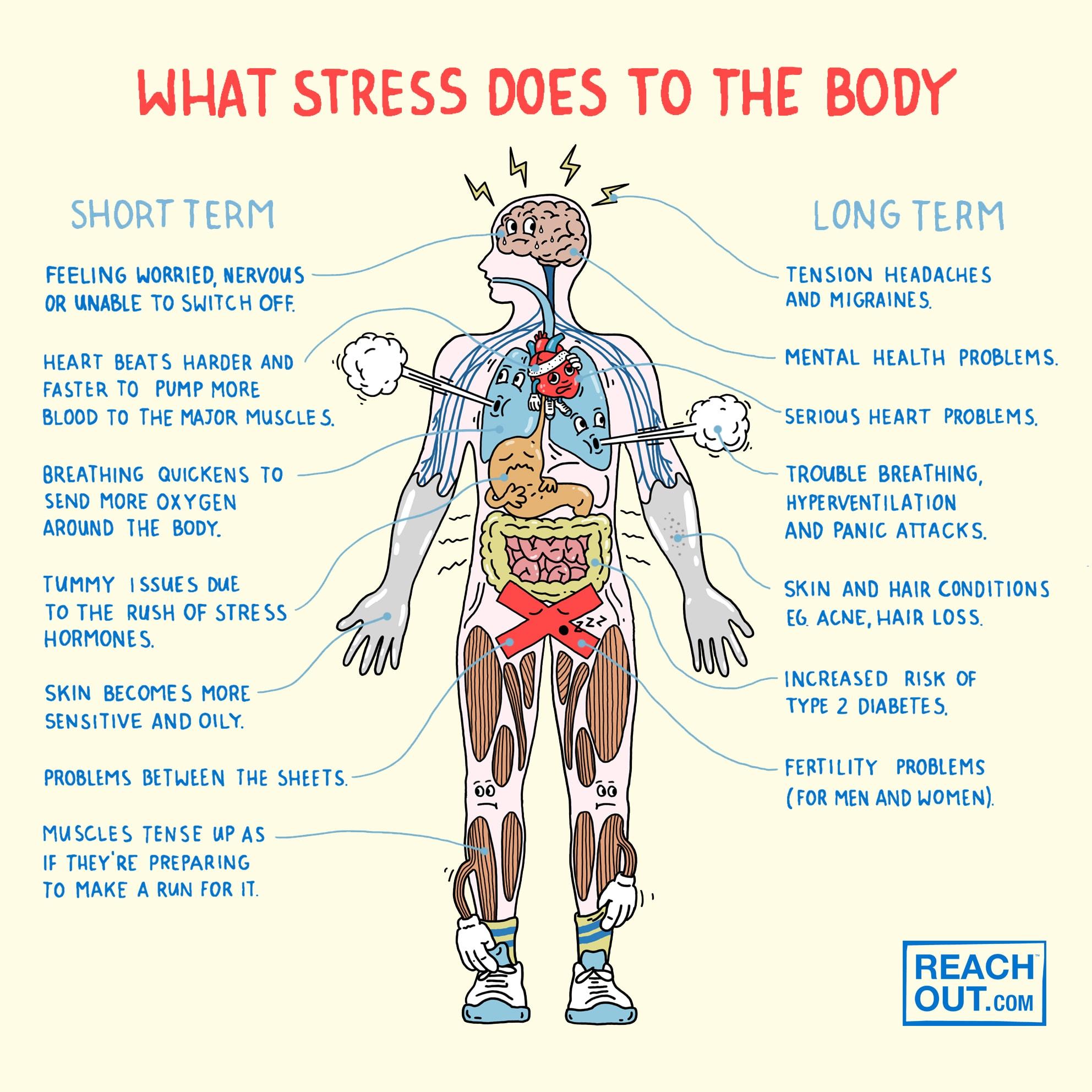
Image Curtesy of Reach Out.
Following the same 4 Intentions of the Stress Response, below we will examine what the impact is when our Autonomic Nervous system gets stuck in the "ON/GO" position for Chronic and prolonged states.
1. MAKE MORE ENERGY (Endocrine/ Respiratory Systems)
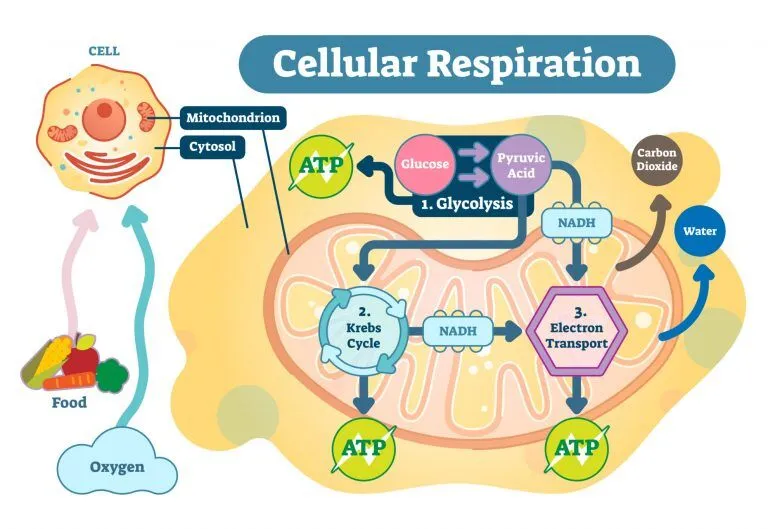
Chronic Stress on Endocrine System & Metabolism
Our Stress response influences how the body uses and stores energy. Chronic Stress wreaks havoc on our metabolism (how our body regulates, and balances energy).
Cortisol establishes a metabolism suited to quick action or future famine, such as high blood sugar and the storage of fat.
Dysfunctional metabolism is when the body is uncertain of when it will require large stores of energy it retains and discharges blood glucose in an unhealthy way.
In the case of Chronic Stress response, the body is in a state of rapid release of stores of glycogen into blood glucose (Sugar), to be readily available for cellular respiration/energy production to fuel our immediate stressor demands. When prolonged this can result in a condition of high blood sugar called Hyperglycemia.
Our stress response is designed to mobilize blood sugar for immediate use, causing spikes in blood sugar and changes in appetite, but over the long term creates an imbalance in how we prioritize effective storing of energy and nutrients like carbohydrates and fats in our muscles and cells for the long term.
Chronic circulation of cortisol has a disruptive counterbalancing effect of Insulin, contributing to insulin resistance, type 2 diabetes, and unhealthy fat storage with difficulty losing stubborn weight. Cells no longer trust the insulin signalling, making it difficult for the healthy exchange/metabolism of stored energy/nutrients in fuel (Fat Loss), and available fuel into long term stored energy sources (Muscle Building). Stubborn visceral belly fat cells, have a tendency to promote inflammatory effects, in turn stressing the immune system.
Emotional stress eating prioritizes short term spikes of sugars, over sustained nutrients. Common experiences include difficulty with fluctuating energy levels, weight gain, and body composition.
Chronic Stress on Respiratory system
Adrenaline's affect on our respiratory system causes shallow or accelerated breathing.
Stress can influence respiratory symptoms, such as shortness of breath and rapid breathing, as the airway between the nose and the lungs constricts.
For people without respiratory disease, this is generally not a problem as the body can manage the additional work to breathe comfortably, but psychological stressors can exacerbate breathing problems for people with pre-existing respiratory diseases such as rapid breathing, hyperventilation, panic attacks, asthma.
2. DELIVER MORE ENERGY (Cardiovascular system)
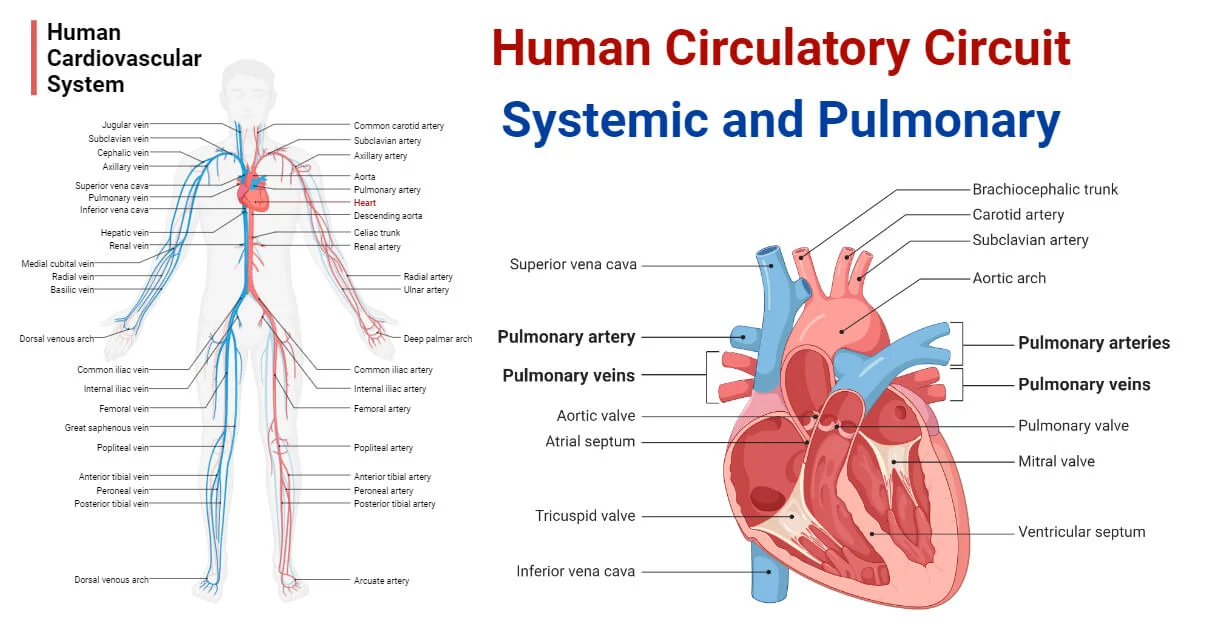
Chronic Stress on Cardiovascular System & Heart Health
Stress influences how our cardiovascular system shuttles and distributes nutrients and oxygen for energy production. Chronic stress overworks the cardiovascular system (heart, blood vessels, & arteries.)
Increase in cardiovascular output (faster heartbeat), places excess pressure/wear tear on your heart muscles.
Hypertension is the result of an over activated sympathetic stress response. Increased heart rate, vasoconstriction of certain blood vessels, results in increased blood pressure, and strain on the blood vessels and arteries.
Imagine trying to hook a garden hose up to a Fire hydrant's pressure. Muscles build around arteries to resist strong blood flow to the smaller capillaries. Demanding for more heart pumping blood flow to push through the stronger more rigid muscles, further stressing the cardiovascular components.
Studies suggest that the chronic dysfunction of the sympathetic system results in migraines, due to the vascular changes associated with tension headaches.
Cardiovascular Heart disease is a broad term for conditions affecting the heart's structure or function, most commonly Coronary Artery Disease (CAD).
This Hypertension and imbalanced pressure over time, damages artery walls. Rushing in to fix the repairs, chunks of repair cells, get clogged in the uneven walls, contributing to Plague buildup. Further, narrowing of blood vessels, and arteries.
Plaque is a sticky, complex substance made up of fats and cholesterol. Lipids, particularly low-density lipoproteins (LDL), fat cells/deposits, accumulate in the artery walls.
Chronic stress damages the endothelial layer (the inner lining of the arteries), allowing LDL cholesterol to penetrate the artery wall.
The combination of high triglycerides, high LDL, and low HDL, along with constant inflammation, accelerate the development of plaque formation (atherosclerosis). Damaged Blood Vessels & Imbalanced Lipid Profile (Unhealthy LDL to Healthy HDL), which contribute to clogging of the arteries.
Chronic, long-term elevation of cortisol, often driven by persistent stress, fundamentally disrupts lipid metabolism, creating an unfavorable blood lipid profile that increases the risk of cardiovascular disease. (Too much LDL (Low Densisty LipoProtein) Bad Cholestrol vs High Density LipoProtein).
Dislodged plaque build ups can block arteries to the heart, causing a heart attack, or to the brain starving the brain of oxygen in the case of a stroke.
Cold hands and feet. Prioritizing blood flow to major muscles, brain can cause a side effect of limiting blood flow to outter extremities, which can cause hands and feet to feel cold.
3. USE MORE ENERGY (Neurological, Nerve & Musculoskeletal System)
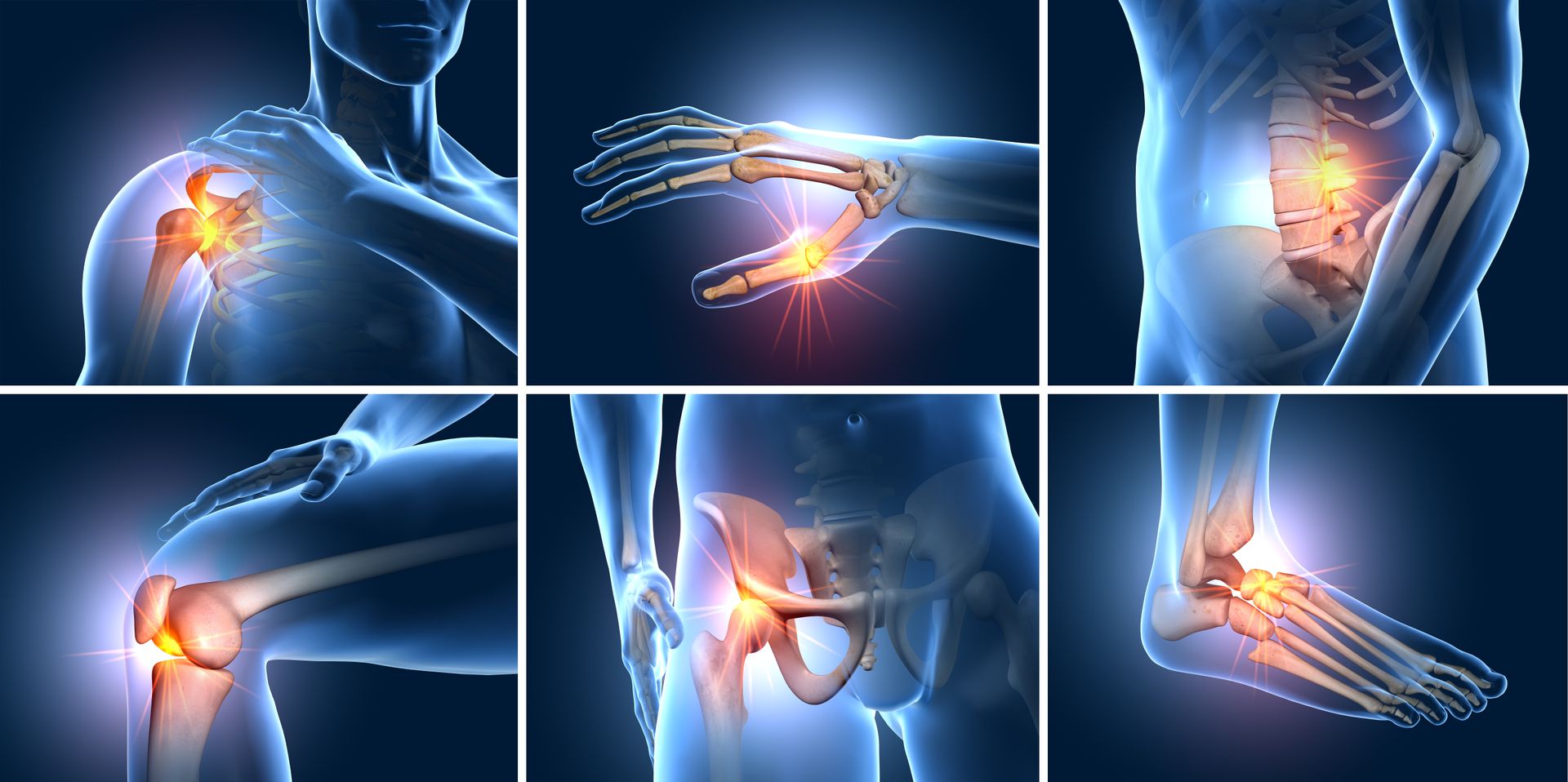
Chronic Stress on Nervous System / Musculoskeletal System (Muscles, Cartilage & Joints)
Stress influences how our Musculoskeletal system increases nerve activation, and muscle fibre engagement helping us Fight, Flee/Escape perceived stressors and demands. Chronic stress puts excessive wear and tear on our muscles, and joints.
Chronic stress keeps the muscular system on hyper arousal, alert, and guarded. Creating an overall body uneasiness, unsettled, tense, or uptightness in the muscles. Nervousness, uneasiness, unsettled, restlessness, churning in the stomach are common.
Stress keeps muscles semi-contracted (“bracing” for threat). Chronic tense muscles pull the body out of balance, leading to postural imbalances, wear and tear, joint pain, and mechanical injury.
Musculoskeletal nagging pain in the low back and upper extremities has also been linked to stress, especially job stress. Muscle tension, and eventually, muscle atrophy due to disuse of the body, all promote chronic, stress-related musculoskeletal conditions.
Both tension-type headache and migraine headache, as well as jaw clenching are associated with chronic muscle tension in the area of the shoulders, neck and head.
Osteoarthritis may be activated through stress. It is a common progressive joint disease characterized by the breakdown of protective cartilage, causing pain, stiffness, and reduced mobility as bones rub together. Primarily affecting knees, hips, and hands, it results from joint overuse, injury, or aging,
Increased alertness, and focus can also appear as dilated pupils, an awake and busy mind, chronic thinking, worrying, and anxiety.
Imbalanced Cortisol release confuses our natural Circadian Rhythm. Chronic activation disrupts natural relaxed sleep.
The bodies signal to stay in heightened alertness can impact poor quality of sleep, contributing to insomnia. Overtime without sufficient recovery can lead to exhaustion and burnout.
Everyday common experiences, and symptoms may include difficulty sleeping, sleeping but not feeling rested, drowsiness, tired, and general fatigue throughout the day.
In the bodies attempts to controls body temperature, you might experience hot flashes, increased perspiration and sweating.
4. CONSERVE MORE ENERGY (Deprioritizing digestive, immune, sexual reproduction, and recovery systems)
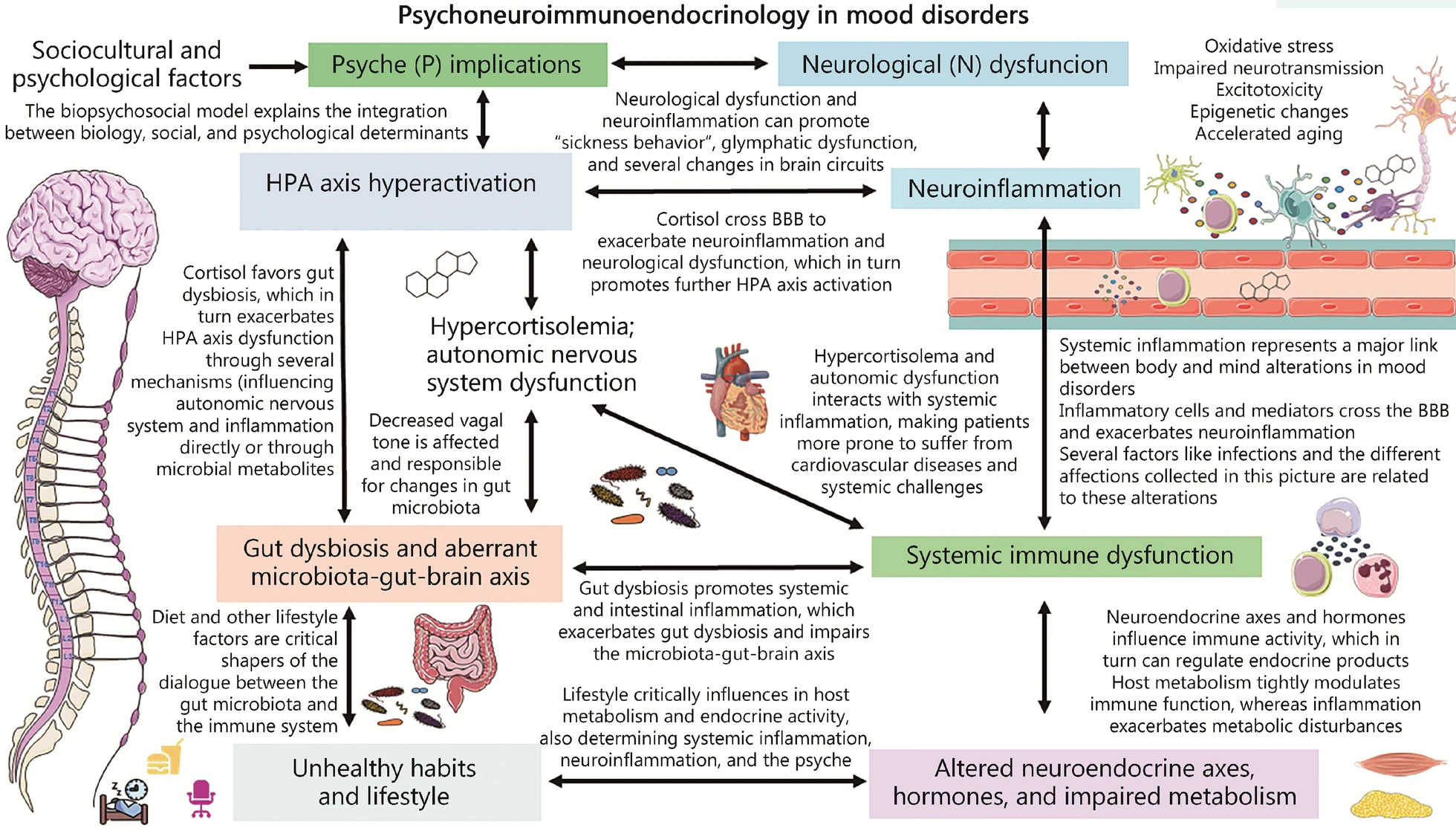
Chronic Stress on our bodies Natural Recovery Systems (Digestive, Immune, Reproductive, Recovery & Aging)
Stress influences how our sympathetic nervous system shuts down, and suppresses non mandatory organ functions to focus available energy on vital tasks. Chronic and prolonged stress puts excessive strain on the body, as it is not able to complete it's natural recovery processes.
Through restricting blood flow, or through the release of inhibiting hormones/chemicals, we down regulate operations that are not essential to immediate survival.
Digestive and Gastrointestinal system
The gut has hundreds of millions of neurons which can function fairly independently and are in constant communication with the brain.
Stress is associated with changes in gut bacteria/ and microbiom which in turn can influence emotions, and mood. Thus, the gut’s nerves and bacteria strongly influence the brain and vice versa.
Digestion is slowed, contributing to common symptoms of indigestion. This results from a generally inhibitory effect of norepinephrine on the enteric nervous system, causing decreased secretion of digestive substances, and decreases in blood flow to the gastrointestinal tract, that supports and gut mobility (Peristalsis: The main movement, involving coordinated waves of muscle contractions and relaxations that push stool contents forward).
Stress can effect bowel movement, and how smoothly food moves through the body, which can cause diarrhea, constipation, pain, bloating, or discomfort felt more easily in the bowels. Furthermore, stress can induce muscle spasms in the bowel, which can be painful.
Stress especially affects people with chronic bowel disorders, such as inflammatory bowel disease or irritable bowel syndrome. This may be due to the gut nerves being more sensitive, changes in gut microbiota, changes in how quickly food moves through the gut, and/or changes in gut immune responses.
Contrary to popular belief, stress does not increase acid production in the stomach, nor causes stomach ulcers. The latter are actually caused by a bacterial infection. When stressed, ulcers may be more bothersome.
Immune System
Glucocorticoids, including cortisol, are important for regulating the immune system and reducing inflammation. While this is valuable during stressful or threatening situations where injury might result in increased immune system activation, chronic stress can result in impaired communication between the immune system and the HPA axis.
The sympathetic response has proinflammatory effects on our Immune system during short term acute Stress. Prolonged or chronic stress has inhibiting influence and effects on long term recovery and Immune systems operation. Reproductive systems down regulate. Anabolic processes of muscle atrophy (recovery/building) gets de prioritized.
Suppressed immune system causes increased vulnerability and susceptibility to viruses, infections, frequent colds, and chronic illnesses.
Chronic, unmanaged stress and anxiety can cause the body's resources to become depleted and exhausted. This can affect normal bodily functions and the immune system.
Reproductive system
Chronic stress, ongoing stress over an extended period of time, can affect male testosterone production resulting in a decline in sex drive or libido, and can even cause erectile dysfunction or impotence.
Chronic stress can also negatively impact sperm production and maturation, causing difficulties in couples who are trying to conceive. Researchers have found that men who experienced two or more stressful life events in the past year had a lower percentage of sperm motility (ability to swim) and a lower percentage of sperm of normal morphology (size and shape), compared with men who did not experience any stressful life events.
Stress may affect female reproductive system in the menstruation process. High levels of stress may be associated with absent or irregular menstrual cycles, more painful periods, and changes in the length of cycles.
Women juggling personal, family, professional, financial, and a broad range of other demands across their life may contribute to decreased sexual desire.
Stress can have significant impact on a woman’s pregnancy, and reproductive plans. Stress can negatively impact a woman’s ability to conceive, the health of her pregnancy, and her postpartum adjustment.
Excess stress increases the likelihood of developing depression and anxiety during this time. Maternal stress can negatively impact fetal and ongoing childhood development and disrupt bonding with the baby in the weeks and months following delivery.
Mental Memory And Brain Development
Long-term cortisol elevation can shrink the prefrontal cortex and damage the hippocampus, leading to memory loss, anxiety, and depressive disorders.
Stressful events reshapes the brain, especially memory and emotion circuits. Amygdala (fear center) circuits strengthen their neurons and dendritic connections making them more excitable.
Stress prioritizes fear learning, and de prioritizing long term strategic decision making of the prefrontal cortex (Executive control center). Communication between logic and emotion centers weakens under prolonged chronic stress..
When glutamate level and threshold of excitation has been reached, the neuron to neuron dendrite neural connection is formed. The more the neurons are excited and it synapsis activated the more potentiation it has to be activated again.
Over time imbalanced stress can contribute to early onset of memory less, and neurodegenerative dysfunction, as in dementia and alzheimer’s disease.
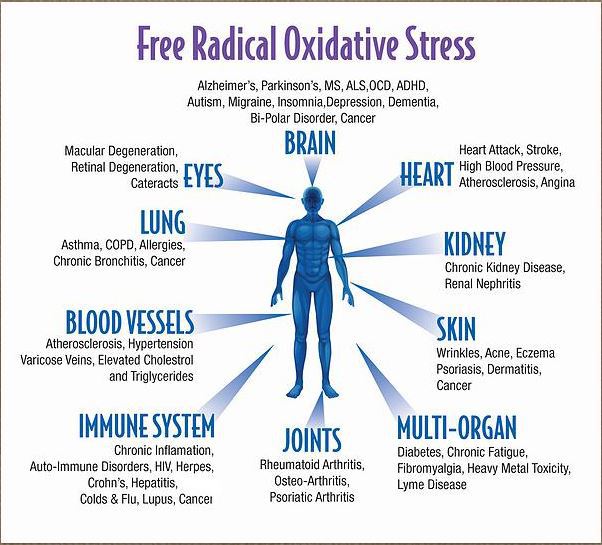
Chronic Stress on Premature Aging
Chronic stress accelerates biological aging by damaging DNA, shortening telomeres, increasing inflammation, and impairing the immune system, leading to earlier onset of age-related diseases like heart disease, diabetes, and cognitive decline.
Accelerated aging occurs primarily through oxidative stress, and premature shortening of telomeres, causing dysfunction in Cell Regeneration. Free radicals are unstable atoms or molecules with unpaired electrons, making them highly reactive and prone to stealing electrons from other molecules, causing cellular damage known as oxidative stress. Stress hormones (cortisol, adrenaline) increase cellular damage through oxidative stress (ROS) and damage DNA, reducing the body's ability to repair itself. Chronic stress causes telomeres (protective caps on chromosomes) to shorten faster, a key marker of cellular aging. The constant onslaught of free radicals from these processes depletes the body's antioxidant reserves, leading to oxidative stress where damage accumulates.
While normal metabolism produces free radicals, environmental toxins, poor diet, stress, and inflammation increase them, causing harm to lipids, proteins, and DNA.
Stress drives chronic inflammation, known as "inflammaging," which contributes to many age-related conditions. Inflammatory cells themselves generate significant amounts of free radicals, further fueling the cycle.
Skin Aging, dryness, dullness, and impaired skin barrier function.
Wow! You made it to the end of this Deep dive into the Stress Response. You can now consider yourself informed, of how Stress influences the MINDBODY Nervous System.
In Summary;
Our Stress Response in the Human Body, starts as a incredibly well coordinated, and near perfect orchestration of how biology evolves an adaptive survival response, and yet when pulled into chronic states, it becomes a slow poison, damaging every major body system —our heart, gut, immune, musculoskeletal, neurological, and cellular aging.
Now Here's The Good News!
Stress Effects within the Body Can Be Reversed.
Studies show unmanaged stressful events take a toll on our health, and biological aging, and yet mindful awareness and intentional self regulating and balancing practices can reverse and recover these effects with time.
The effects of stress on health shouldn’t leave you worrying, rather my intent of sharing this content is to Wake UP, the importance of listening to our body.
I am sharing this from a place of self learning in what is working to help me recover from a long journey of struggling with stress related sinus issues. It's become an interest to understand in myself, what is really going on when it comes to balance and health in the body.
We now understand much more about effective strategies for balancing our stress response. Stress management can slow or even reverse some of the negative effects, highlighting that biological age isn't fixed and can be improved through interventions.
These approaches have important benefits for physical and mental health, and form critical building blocks for a healthy lifestyle.
The practice of becoming aware of, making conscious choices, and gradual and sustainable changes to support the balance of our autonomic nervous systems and healthy Allostasis is called SELF REGULATION.
Which is going to be the core concept explored later in this series through how the practice of SURRENDER, can support sustainable Self Regulation and Stress Resilience.
Congratulations! You made it to the end of Week 3 Part 2.
If you are curious to learn what is possible in deepening your connection with stressed or over protective parts and what they may be struggling with. I welcome and encourage you to Schedule a 1on1 Discovery Call. We can hear from your parts and explore together in what they may be wanting support in.
Join Me Next Week!
For Week 4 of the Series BEFRIENDING STRESS As a Path Home to Ourselves.
Where we will explore.. WHAT is STRESS in thinking, Mind, and Ego?
Wishing ease, and calm for your week ahead.
Greg