
IFS Internal Family Systems BEGINNERS GUIDE! Week 2/5 | The Psyche & Human System Through the lens of IFS
Jan 05, 2026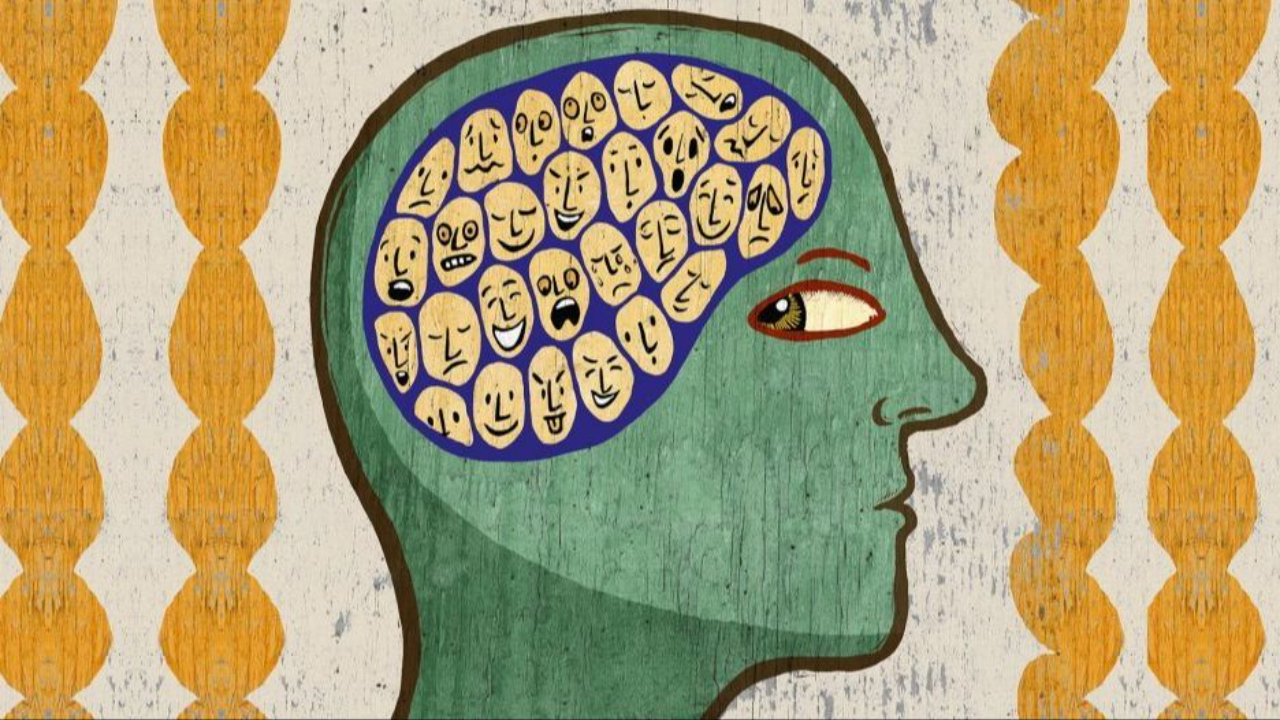
Week 2 | The Psyche & Human System Through the lens of IFS
Welcome to Week 2!
Now that you have been introduced to a basic overview of the model, and a small glimpse into the opportunities and benefits of why IFS & Parts work could be helpful.
This week we are going to begin exploring the core components of the Internal Family Systems framework.
But before we begin, I want to bring you into my own journey with Parts work..
I have wrestled with a chronic symptom of sinus pressure and pain behind my right eye, that can become near debilitating in executing my day to day life.
It started in my mid 20's, but began to worsen as career workload and rental property stressors mounted. The pain reached a pinnacle in 2019, when I experienced an extreme low state of burnout and had an instantaneous awakening experience.
The next 3 years were a complicated mix of confusion, loss of trust in my thoughts, purpose, direction, and self belief.
While the internal ego narrative expectations and pressures slowed down, the pain persisted.
Unexplainable by countless western medical doctors I explored it with, including Allergists, ENT Specialists, Neurologists, and even underwent sinus surgery, I felt frustrated, angry, and at times alone on the healing journey.
I came to a point, I recognized perhaps this is less of a problem out there, and maybe it's time I need to turn the mirror on me and look at how my own behaviour may be contributing to the symptoms.
I brought curiosity to the patterns of burnout and exhaustion, that seemed to repeat themselves in the ways I strove for goals and pushed myself to extremes.
Experimenting with different naturopathic and self healing practices, I re collided with the concept of Parts, and the nature of an inner system of self protection. While I had read about ideas of an inner boardroom of parts in years prior, this time it resonated differently. I was experiencing first hand, how a part of me, may be contributing to my own suffering. Working with several Mens groups and my own IFS Practitioner Therapist, over time, I worked to uncover a set of manager parts that were working on overdrive with intentions of keeping me safe. (In particular younger parts of me rooted in childhood.)
Parts work helped me get curious of how these symptoms, were being influenced by extreme behaviours under the influence of parts.
By befriending and getting in relationship to these parts of me, I have found a way to listen and learn from my body and what it needs, and offer it the loving companionship and support in times it tries to pull me out of balance.
I am deeply grateful for how this work is helping me bring balance to my own wellbeing, and I am trusting it can offer the same for others.

Meeting our Inner Parts
Parts Overview
In IFS we see Parts as a natural part of our humanity.
Through this lens, our Mind is made up of a collection of "Parts" or Sub Personalities that make up our unique personality and individuality.
Each one bringing with them unique gifts, tools, and resources to effectively navigate the physical world.
Parts are our resources, they help us survive, hold boundaries, speak up for our needs, plan, and take action towards our goals,
When operating in their natural, and balanced ways, Parts are necessary for us to function in everyday life.
And yet;
As a result of life's adversities, painful or traumatic experiences, these parts can get burdened into taking on unnatural roles and responsibilities.
In times of uncomfortable or overwhelming experiences, the internal system does it's best with what it knows, Parts self orientate to cope with the situation with the resources they have available.
What may seem like an extreme adaptive strategy to us as adults; to infants or young children with critical dependencies on primary caregivers and the outside world, these learned strategies really did feel like life or death.
As time goes on, we carry these learned coping strategies with us into later years of our life. Our burdened parts seeing through the lens of their past, feel pressured to act out in over-adaptive, imbalanced, and often times reactive, and unhelpful ways.
Our curiosity in delving into our inner system is not to eliminate any of our parts, but rather better understand our parts to support them in returning to their natural, and balanced expression.
Main Categories of Parts
Through Dick's 40+ years of experimenting and learning from his various clients, he came to recognize 3 main classifications among inner parts that are commonly shared across people of all types and demographics. It is likely that we may well bump into them as we start to explore our own inner systems.
To help support in understanding how they relate to one another within our inner world, he gave each category of Parts a name that reflected their strategies and/or ways of being.
It's important to note, we use these categories for conceptual purposes to help our understanding of the inner world. When connecting with our internal parts they don't usually see themselves, or like to be identified by these labels, so it's best to ask the "Part" directly what name it would prefer to be called.
The three most common Categories of Parts include:
Managers (Proactive Protectors)
Firefighters (Reactive Protectors)
&
Exiles (Wounded & Burdened Inner Childs)
Let's dive into these Categories of Parts in more detail one at a time!

MANAGERS (Proactive Protectors)
Manager Parts are those parts of our personality that operate with motives, intentions, and behaviour strategies to PROACTIVELY keep us out of uncomfortable, or overwhelming emotions, feelings, or painful experiences.
Managers are our first line protectors;
These are preemptive, and preventative parts that take on roles to help prepare, protect or shield us from experiencing, or re experiencing past physical or emotional pain, and hurt.
In their balanced state, Managers help us navigate our lives, through learning from the past, and preparing for the future.
They are excellent planners, researchers, organizers, and task managers. They love to rely on intellect, analyzing, calculating and reasoning techniques to problem solve us out of future discomfort.
When our Managers carry Burdens (maladaptive strategies from our past), they can become over controlling or hyper vigilant protectors.
These Burdened parts feel an over responsibility to prevent us from experiencing an overwhelming emotion.
In this instance, Our Manager parts are working overtime constantly forecasting, monitoring, and trying to predict where the next uncomfortable experience might occur.
We commonly experience these parts of us trying to Control, Manage, Maintain, or Mask our appearance, performance, and social relationships to ensure we avoid any discomforting feelings.
Systems that are run by Burdened Managers, often feel exhausted, run down, and can experience bouts of depression as they spend a lot of their time disconnected from the present in their committed efforts to always focus on the future in trying to keep oneself and surroundings safe.
Exercise: Journal a list of 3 personal Manager Parts that you notice are helping you avoid potential uncomfortable situations, or feelings.
Some Examples May include:
Inner Critic / Judge
Grandiose / Entitled One
Identity Builder, Saviour / Hero
Constant Learner / Knowledge Seeker
Perfectionist / Do it the Best / Maximizer
Relentless Competitor
Image Manager
Self Reliant Part
OCD Organizer
Hyper Productive Part / Over Provider / Caretaker
People Pleaser / Peacekeeper
Stoic No Emotions / Strong One
Always Rational / Logical
Minimizer / Dismissive / Denial
Hypervigilant Watchtower
Recommended Option - Ask your own Part/s what they prefer to be called!
 FIREFIGHTERS (Reactive Protectors)
Firefighter Parts are those parts of our personality that operate with motives, intentions, and behavioural strategies to REACTIVELY put out the flames of uncomfortable, or overwhelming emotions, feelings, or painful experiences that were able to break through our managers walls.
Firefighters in contrast are our LAST line, final resort protectors;
These are parts that REACT to present moment overwhelming physical or emotional pain, by helping us Calm, Comfort, Soothe, Distract, or Avoid the discomfort.
Because they see pain as imminent or already here, Firefighter parts behaviour is often reactive, urgent, impulsive, and can be explosive in attempts to extinguish the pain, and rescue and restore us to a state of inner balance and peace.
We commonly see firefighter behaviours, in unhealthy coping strategies as anger, extreme risk taking, emotional shutdown, addictive tendencies in overeating, overworking, alcohol or substance abuse, binging on media/daydreaming or porn to escape the present reality.
Firefighters rush in to extinguish the pain sometimes with messy, intense, even destructive behaviours. They say, "When all else fails, we do the dirty work, by any means necessary!" Even if this is at a cost to other parts of the body/system, or surroundings.
Firefighters are the less glamorous, less celebrated, less socially approved of protector parts, and because of that often carry unseen burdens themselves of guilt and shame.
Systems that are run by Burdened Firefighters, are often sporadic, live in the moment, can be chaotic, and more open to risk taking activities.
While often feeling overly burdened with the responsibility of rescuing us from pain; In their balanced state, Firefighters can relax into parts that offer as spontaneity, excitement, fun, pleasure, and adventure.
Firefighters radically different approach; commonly creates internal conflict and tension between firefighters and manager parts, both of whom have learned contrasting ways of how best to cope with unpleasant and undesirable experiences.
Exercise: Journal a list of 3 personal Firefighter Parts that have risen in the face of overwhelming emotions.
Some Examples May include:
The Intimidator / Rager
Jealous Reactor
Panic Texter
Distractive Cleaner / Over worker / Stay busy
The Emotional Eater / Binger
Substance / Addictive part
Social Media Scroller / Netflix consumer
Escaper / Ghoster
Daydreamer
Disassociate Part
Alternative - Choose a Name that feels right for your own Parts
Examining Protector Parts through the Buckets of our common Fear Stress Response.
Protector Parts can also be examined through the ways our Mind, Body, and Behaviour have learned to adapt to pain/ uncomfortable experiences through our Autonomic Nervous System and Stress response.
Protective Parts can be explored through looking into the 4 Common Fear Categories:
FIGHT
FLIGHT / FLEE
FAWN
FREEZE / FLOP
FIGHT
When healthy, the FIGHT response can allow for assertion and solid boundaries. It mobilizes us to be activated, readily engaged and empowered to meet the perceived potential stressor / pain at hand.
When unhealthy or when used as a trauma response, it's an over active self-preservation function where one reacts with unconscious anger and aggression. It's a fear state where you confront & combat the threat to stand up against unresolved insecurities.
A fight trauma response is when we believe that if we are able to maintain power/hostility over the threat, we will re gain control.
This can look like choosing confrontation and conflict through arguments. Negative outward judgements, criticism, and emotional abuse. When escalated it can turn to yelling, throwing objects, aggression and physical fights.
The fight response also includes the ways our system actively tries to control/ manage our way into safety. This is helpful and necessary to plan and meet our goals, but when pulled into imbalance, the fight response wants to over control and hyper manage through always intervening.
FLIGHT / FLEE
When faced with a dangerous situation, the FLIGHT response corresponds with avoidant behaviour.
When we’re balanced, we are able to be discerning in stressful situations through disengaging within limits, creating space and healthy boundaries when needed.
However, as a trauma response, we take it a step further by isolating ourself entirely.
The flight response is when we believe that if we are able to escape the threat and avoid conflict, then we will not be harmed.
This can look like running away and avoiding conflict, pressure, and uncomfortable social interactions with others.
Alternatively, to avoid confronting unpleasant feelings, you may escape the situation by staying busy, distracting, numbing/self soothing through addictions, or self sabatoging when things start feeling to good to be true.
FAWN
When balanced FAWN response is pro social behaviour, helping us collaborate and work together to achieve goals and projects.
In it's imbalanced state the fawn response is about people-pleasing, and prioritizing other people above yourself. Bending to the needs of others to diffuse conflict and receive their approval, in turn experiencing a felt sense of safety.
It can reach a point where you abandon yourself, your needs, and healthy personal boundaries.
Care taking can be a positive quality, but when done with the hidden intention to appease others to avoid negative consequences, it can be costly to ones own healthy expression of self, and wellbeing.
FREEZE / FLOP
When healthy, the FREEZE response can help you slow down and appraise the situation carefully to determine the next steps.
When unhealthy, the freeze response relates to immobilizing behaviours, a literal "freezing”, or feeling frozen and unable to move, in the face of a perceived extreme and life threatening danger.
We can compare this response to our animals who play dead in the presence of a predator.
A freeze trauma response is when parts of your sympathetic nervous system have reached a point of overwhelm causing a neurological shutdown. We may become numb to our bodies, emotions, and feelings as our mind tries to disassociate from the pain.
Exercise: Journal a list of 1 protective part and a recent experience when it got activated, for each of the 4 Fear Stress Response Categories.
Deeper Curiosity: See if you can connect whether this protective part is a Manager or Firefighter Strategy?
EXILES (Wounded & Burdened Inner Childs).
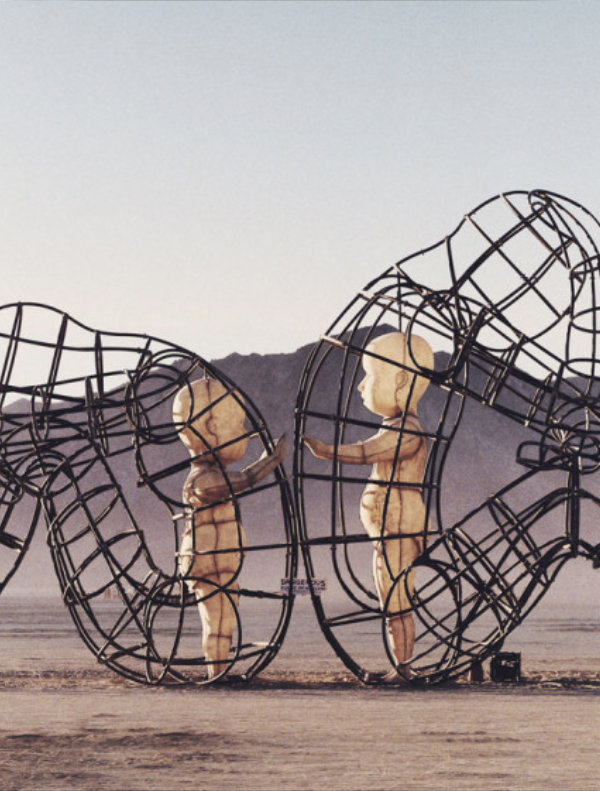
In the IFS Model, Burdened Exiles are those parts of us that don't hold an agenda to fix, but rather are the ones that carry our deepest hurt, pain, or unhealed wounds.
Originally these parts were our youngest, most innocent, and vulnerable versions of ourselves. Sometimes referred to as our “inner children.”
These parts of ourself are the ones with a sensitive attunement to life, who have felt deeply with an open heart.
While these inner children are often free spirited, playful, and trusting, they’re also highly sensitive, impressionable, and readily absorbing what our environments and caretakers teach us and how they treat us.
Burdened Exiles are the younger parts of ourself that experienced pain, hurt, or traumatic events where our core needs were lost, ignored, or went unresolved.
As a result of overwhelming experiences our protective system, often internalizes and deems these vulnerable parts of us to be the "CAUSE" of the event.
This meaning making, is a best effort strategy by the system to maintain control. If its a "ME" problem, I can fix the problem, and prevent it in the future.
So alongside their pain, Exiles carry burdens of self limiting beliefs that keep our trauma alive in us.
These Self limiting beliefs sound like inner stories, of;
"I am not enough", "I am broken", "I am not strong enough", "there is something wrong with me", "I don't deserve love", "I am worthless."
Our system deems it safest if we EXILE, these vulnerable parts and their burdens to the shadow.
Exiled Parts of us are those parts that at one point were deemed unacceptable, too vulnerable, too much, or in some way a risk to be exposed to the outside world, and in such were locked away by protective parts in attempts to keep the system safe and avoid a recurrence of a similar future pain.
Exiles often carry feelings, of being misunderstood, guilt, shame, fear, loneliness, abandonment, and isolation.
Exiles are in dire attempts of being seen, their pain resolved, and recovered back to the natural state of the system. These burdened, and abandoned Exiles, long to be reclaimed and returned back to wholeness.
In their attempts to be seen, validated and reintegrated, these exiles may flare up from time to time with strong emotions. These are the exiled parts way of getting our attention, to ensure they are not forgotten.
The overwhelming flooding of Exile emotions, is the very thing Managers, and firefighter parts are fearing, and working to keep at bay and under control.
As a result it creates an internal tug of war of one part of us wanting to be released into expression, and other parts of the system feeling it unsafe to do so.
These different parts or groups of parts often orientate into a three way conflict.
Our Exiles crave to be retrieved and expressed, our Managers are trying to keep the system safe by keeping them at bay, and our Firefighters lash out in times of breakdown or overwhelm. Firefighters extreme or impulsive behaviours create further distrust and resistance between parts.
It's important to remember, Parts are our loyal inner soldiers, our sacred guardians of our core needs whom have been fighting our battles for us for a lifetime. They are trying their best to help, but doing so with the limited maps/resources available to them. They are often burdened with distorted beliefs and responsibilities far greater than there capacity to do it alone.
Bringing curiosity to our own system, offers an opportunity to explore how are own parts have learned to function, and whether in our present Self there is availability for a new experience.
If you are struggling with a current life challenge, or curious of what's possible in a new way of working with your parts. I welcome and encourage you to Schedule a 1on1 Discovery Call. At your pace we can explore together with getting to know some of your active parts.
Join Me Next Week!
Week 3 of the Series - Meeting our Protective Parts.
In this Post I will share a beginners introduction to the first part of the IFS Model including exercises and reflections in what Dick refers to as the 6 F's of relating to our Protector Parts.
Looking forward to seeing you there!
Openly,
Greg